Original article: Dr Sara Llorens, translated with AI.Read the original in Spanish
Am I a bad person for being afraid?
Acting out of cowardice isn't the same as acting out of malice. How we work in therapy with the guilt of people who believe fear makes them a bad person.
In a session a couple of weeks ago, I was talking to one of my patients about the difference between acting out of fear and being a bad person.
Patient: “The thing is, I’m waiting for this person to do the thing I’m scared of, to see how it goes for her, and depending on how it goes, I’ll do it. That makes me a bad person, because I’m using her as a guinea pig. She’s supposed to be really important to me, I love her, and yet I’m waiting to see how it turns out for her so that, if it goes badly, I don’t have to do it. I’m a bad person.”
Right, let’s take this one step at a time. We all feel fear, some more than others, but fear is a primary emotion and therefore part of being human. We have no choice; it comes with the package. Whether it shows up more or less often, or more or less intensely, is another matter… We all know some people are more fearful than others. Fear is an intense emotion that can lead to many behaviours, including ones we might call “cowardly”. But acting in a cowardly way is very different from acting with malice. Very different, mind you. To begin with, acting with malice (which is what my patient meant when she said she was a bad person) implies the intention to harm the other person. And on top of that, a bad person isn’t defined by one particular act, but by a set of behaviours, thoughts, feelings and desires that define their personality, their way of relating to the world.
During the session I gave her an example that really helped her see the difference:
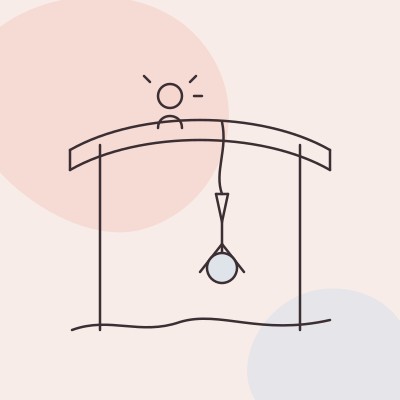
Imagine you’re going bungee jumping with a friend, your best friend. You’re both on the bridge with all the equipment ready, a professional is with you and has checked everything… You really want to do it, because you’ve been planning this for ages and you’re excited about it, but at the same time you’re scared to death. You say to your friend: “You go first, go on!”
Once I’d given her the example, I asked my patient the following, and we discussed and worked through it bit by bit: At that moment, do you want your friend to smash into the ground? When you ask her to jump first, do you want her to die? What reasons can you think of for asking her to go first? Are you a bad person for being afraid at that moment and preferring your friend to go before you? Would you call your friend a bad person if the situation were the other way round? If something happened to your friend at that moment, would you be glad?…
My patient answered all these questions as we drew conclusions together. One of the main ones was that acting in a cowardly way is not the same as being a bad person. And that, as I said earlier, the difference is crucial, because one implies the intention to cause harm and the other doesn’t.
Generally, when a patient comes to see me and tells me they think they’re a bad person, the first thing I do is ask them to define what being a “bad person” means. If I think their view is more or less accurate, I usually ask them to write it down on a sheet of paper and then write examples of what they do that fits the profile of badness they’ve just defined. Based on their answers, we work on it using Socratic dialogue, which is very useful in these situations.
If, on the other hand, the patient has a distorted idea of what a “bad person” is, then we need to go back a little further and work on certain beliefs that keep that mistaken idea alive (for example, “having negative thoughts about others makes you a bad person”, “any selfish act makes you a bad person”…) and that are hurting them for no reason at all. For this I also use Socratic dialogue, and I fill the session with examples for the patient to reflect on so that we can draw conclusions together.
Either way, whichever level we’re working at, cognitive restructuring is needed in both cases to bring about a change of perspective that spares the patient distress that is, in the end, completely unnecessary.